FSHD and Nutrition - Let's get started
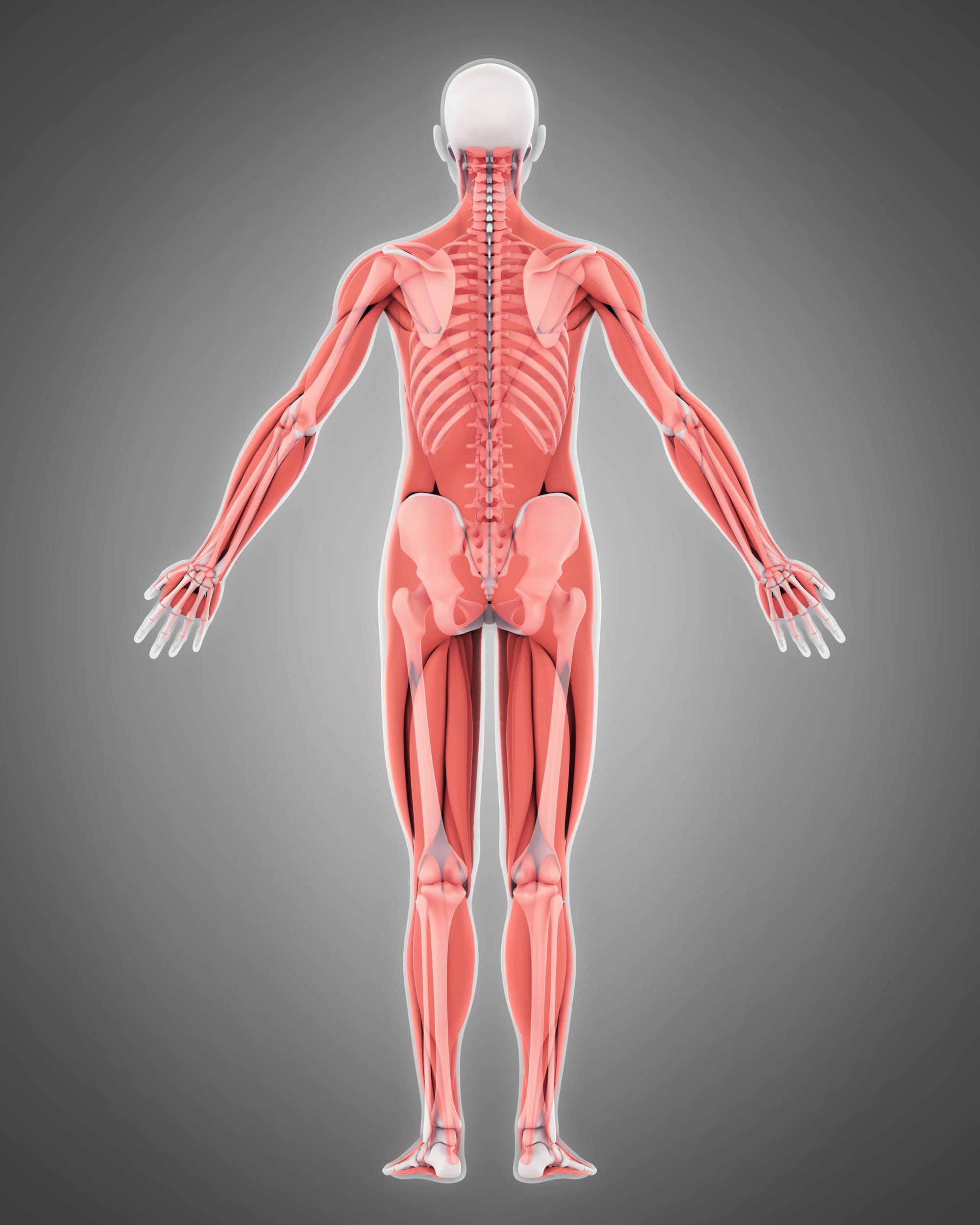
(Basic introduction. Far more to come.)
GROWING MUSCLE - IN GENERAL:
I started my investigations of things that we can actively do, with learning about what we can actively do to grow muscle.
Part of my professional work in Nutrition has increasingly focused on athletic performance and muscle development, in addition to applying nutrition to chronic diseases and complex health challenges.I am also a recent natural OCB pro bodybuilder myself. I started training for this when I was 62 and I got in my first competition when I was 63, where I won my pro card in the open age category.
I very successfully learned about using nutrition for optimally growing muscle in one population for whom growing muscle is extraordinarily hard - that of older women. In an information environment of extremely little information about significant muscle growth for this population of people, I was my own beta group of one.
I learned from the exercise physiologists, and the lived experience of the participants in the bodybuilding world. But I also had to call upon my own deep and broad lived and professional nutritional education and experience because there were a lot of gaps between what is known about building muscle in people in the prime of their lives, and focused far more on men, and building significant muscle in older women, such as myself. I had to brainstorm an enormous amount, and engage with a great deal of uncertainty, in order to come up with a diet and protocol which worked for me - someone for whom extremely little research as been done and for whom there are only a very few other older women who are doing what I was doing.
With the steep learning curve that that lived experience provided me, I was then ready to do the next deep dive of learning about how to optimally grow muscle in another population for whom growing muscle is even harder - those with FSHD.
I have now spent years studying what allows human beings to build muscle, preserve it, recover from training, and provide the nutrients and metabolic environment for optimal muscle growth.
I have done this study in the context of it’s application to young men in the physical prime of their lives, to older women, and, now, to people with FSHD.
A person with FSHD and an older woman and a young male competitive bodybuilder obviously do not have the same body or the same challenges. But they share some fundamental biology: muscle still needs adequate protein and essential amino acids, especially leucine. It needs an appropriate training stimulus - aiming for all-out training, but stopping at a level of intensity that you can fully recover from. It needs energy, essential fats, adequate whole carbohydrates, targeted micronutrient and nutrient intake, recovery and sleep. And it needs those things delivered in a way that an individual body can tolerate and use. As an older woman, I had to make many adjustments to the good advice that is given to young men, in the same sport.
I learned what the basics are for everyone to optimize muscle and I encourage you to engage the mindset of a bodybuilder and engage these basic needed principles for optimizing muscle health, and some lifestyle practices which support those lived principles.
GENERAL MUSCLE HEALTH PRINCIPLES:
Ideally, try to always optimize your human body for muscle health. If a bodybuilder would not do something or habitually does something to prepare their muscles for optimal growth for bodybuilding stage readiness, you should be learning about that and figuring out what version of that is best for you. Let me give you some examples for which there is virtually no controversy - either for the bodybuilder looking to develop that last 2 ounces of muscle which at the height of their development is extraordinarily hard to do, OR for someone with FSHD who is also looking to add that 2 ounces of muscle which, given their FSHD, is also extraordinarily hard to do.
- Dietary protein - 1 gram of protein for every pound of your optimal lean body weight. For most people that is between 100 and 200 grams of protein. It is much easier to do when some of the protein choices (at least once per day) are the proteins that the bodybuilders rely on for muscle growth - to get enough protein without needing an undo-able amount of food. As part of one of your daily meals include a very generous portion of : white fish such as cod, boiled boneless skinless chicken breast, 1% fat ground turkey, elk, venison, extremely lean beef, or egg whites. Yes, these can be made to be extremely tasty! I will fill you in over time, introduce you to some high-protein online influencers and would love to hear your ideas on this as well. As a snack, a great deal of protein can come from whey isolate protein powder, non-fat Greek yogurt and non-fat cottage cheese. Some lean red meat is non-optional for optimal muscle growth - 3 to 7 times a week, or more. And I want you to start thinking about liver once a month. That is a game changer for many.
- Leucine from the meal food choices of at least 3 grams for each of your three meals.
- At least 5 grams of creatine. This is far more vital for you than for the bodybuilders. The usual recommendation is 5 grams per day. It is possible that someone with FSHD may benefit from as much as 20 grams per day. But to you enthusiastic fast-starters.... don't do that right away!! Start with 2 or 3 gram. Move gradually to 5. Hold it there. Possibly move up from there. Or not. Never start with more than 5 grams. The downside of taking it for the first time before your body is used to it is GI upset. Yuck! Start low. It is exceptionally valuable for someone with FSHD because by taking it, our bodies do not need to make as much of it. It uses up a lot of our body's methyl groups for us to make creatine within our bodies. With less creatine made by our bodies, we are using up fewer methyl groups. Adequate methyl groups may help with quieting the DUX4 gene.
- NO alcohol. Alcohol is extraordinarily detrimental to the muscle. Looking at the chemistry and the biochemistry of drinking, it effects the muscles in a way that can start a long-term downward spiral, in the muscles of someone with FSHD. NO successful bodybuilder would ever drink in the months leading up to a competition. That also gives us a clue as to what muscles, in general, can and can not tolerate when there is a focus on optimizing. Sometimes willpower is not enough to overpower injury and alcohol injures muscle.
- NO smoking.
There is virtually no real controversy for these 5 items for optimizing muscle health. If this is all that you did, you would get quite a lot of benefit!
Go for it!!
But, let's go farther!! This can be quite exciting!!
(There is, also, by the way, much more that I will be sharing about nutrition and supplements for general muscle health and muscle growth. That will come, over the coming months.)
Then we go from the basics of muscle health, to the particulars of the genetics of FSHD and the biochemistry leading into DUX4 activation and the biochemistry of what is required to repair from the damage caused by DUX4 activation. ***********************************************************
OPTIMIZING MUSCLE HEALTH - IN THE CONTEXT OF FSHD:My next question was: What might someone with FSHD need above and beyond, or different from, what we already know about optimizing muscle?
That question led me deep into the genetics and biochemistry of FSHD. I began building a framework that looks at the disease on multiple levels: the genetic abnormality and inappropriate activation of DUX4; the downstream cellular consequences; muscle maintenance and protein synthesis; oxidative and metabolic stress; mitochondrial health; inflammation; recovery; micronutrient sufficiency; and the overall nutritional environment in which all of this is occurring.
My framework is basic:
PRE-DUX4 activation
- engage in health practices which have a plausible possibility of lowering the probability and frequency and intensity of the next DUX4 activation
POST-DUX4 activation
- engage in health practices which have a plausible possibility of optimizing the clean up and minimizing the adverse effects of an activated DUX4 gene.
There is quite a bit of scientific information about the genetics and the biochemistry of FSHD - just not direct research of nutrition for FSHD. Let's connect the dots that we do have:
- We know about how the genetics of FSHD connects with biochemical and biological abnormalities of FSHD.
- We know about biochemical and biological abnormalities and how nutrition is related to them or might be related to them.
- We can then make some inferences about the nutrition which might be useful to address these biochemical and biological abnormalities when they are also caused by the abnormal genetics of FSHD.
*************************************************************
Nutrition for FSHD, is an endeavor of uncertainty. We connect what we know as well as possible and we explore how to engage various possibilities in the kitchen. Here are some of the dots that appear to be connected.
PRE-DUX4 activation
The DUX4 gene is not always active. What helps to keep it inactive?There are some theories about that and some nutritional responses to these theories.
- Being more often in a calm "rest and digest", parasympathetic nervous system mode: LIFESTYLE: Lower your stress. Meditate and aim to stay in a calm, meditative mind frame during the day. Breath work. Affirmations. Visualizations. Gratitude work. Prayer. Heart rate variability training. Self-talk. Self-hypnosis. FOOD: Ashwanganda. WORKOUT & LIFESTYLE: Slow meditative walks. Weight training, but NO overtraining. NO long intermittent fasting. NO cold plunges.
- p38 Inhibition: SUPPLEMENTS: Turmeric (curcumin), resveratrol, quercetin. ADDITIONAL: ALA, astaxanthin, berberine, boswellia, citrus bioflavonoids, fish oil, HMB, Magnesium, Vitamin A&D, Corceps mushrooms. FOODS: apples, berries, blueberries, broccoli, cilantro, citrus, ginger, grapes, high omega-3 fatty acids, onions, parsley, salmon, whey, Greek yogurt, lean meat, bone broth, collagen powder, green tea, broccoli sprouts.
- D4Z4 properly methylated. General methyl groups from diet and supplementation may improve this DNA methylation. SUPPLEMENTS: Vitamins B6, B9, B12 - all in activated forms - with TMG. SAMe. Vitamin B2, also activated. Choline as Alpha-GPC. Vitamin K2 as MK-7. Vitamin K2 as MK-4. Magnesium. Zinc. NAC. Creatine. (Brand and product suggestions to come.)
POST-DUX4 activation
GENERAL RESULTING NEEDS, AND RESPONSES (with just a few sample nutrients):
- Oxidative stress: astaxanthin, vitamin C, vitamin E
- Inflammation: omega-3 fatty acids, turmeric, blueberries
- Muscle atrophy: creatine, dietary protein from animals, HMB
- Mitochondria damage: CoQ10, creatine
- Cell Membrane Permeability: Carnosine, red meat
- Detox (Glutathione pathways diminish): NAC, S-acetyl-Glutathione
- Low micronutrient levels - zinc, test with CellSciences
- (Cognitive): Alpha-GPC
- (Gut Health): probiotic
INDIVIDUAL BIOCHEMICAL PATHWAYS EFFECTED (with just one sample nutrient noted):
- SIRT 1, 3, 6, 7 - cilantro
- NRF-2 - broccoli sprouts
- NAD+ - NMN
- AMPK - Proteolytic enzymes
- Autophagy - Intermittent fasting (less intense version)
- Mitophagy - Urolithin A
- (mTor) -
- Wnt Activation - Curcumin
- PARP1 - Cilantro, berberine
You can see that this gets complex. What should be done for breakfast? What should be in our pantry? What does a snack look like? What does an optimal day look like? How does a workout fit in? How do pre- and post- workout foods and supplements differ for someone with FSHD? What are the best brands of supplements to use? What should I look for in each possible supplement that I might use. I will gradually populate the FSHD section of my website to address these issues and many many more. It will be become clear over time what is optimal to include, in general, and what is best for you in particular to include. This will change from person to person.